


A Stress Rupture and Creep Testing System evaluates how materials
deform over time under sustained loads and elevated temperatures.
It helps determine long-term material behaviour, creep strain and
time-to-rupture under specified test conditions.
Stress Rupture & Creep Systems
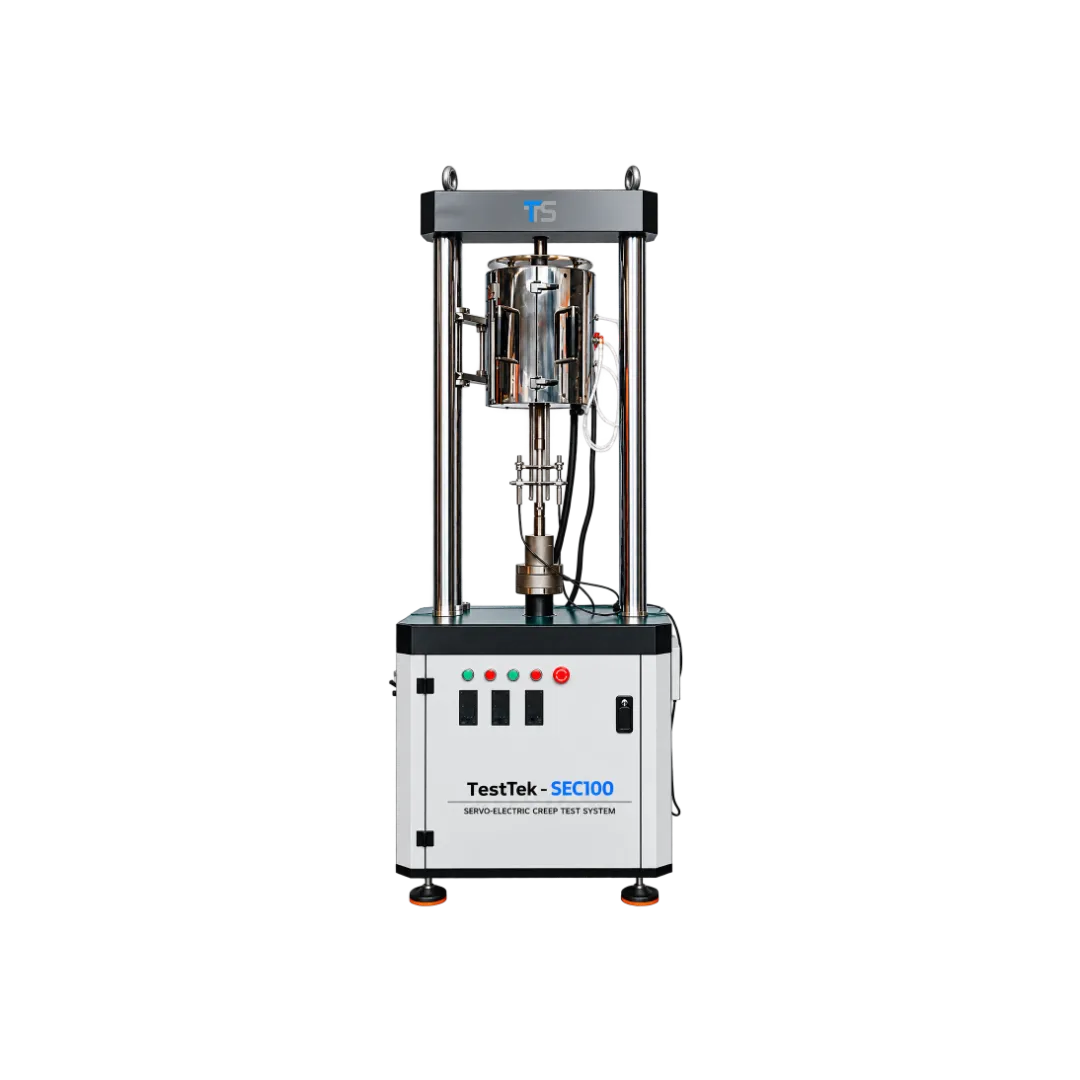
STRESS RUPTURE & CREEP TESTING
Stress Rupture & Creep Systems
High-Temperature Material Testing Systems
Stress Rupture & Creep Systems are designed to evaluate the long-term deformation and rupture behaviour of materials under sustained loading and elevated temperatures. These systems support creep testing, stress rupture evaluation and high-temperature material characterization for metals, alloys and other suitable engineering materials. System configurations can be selected according to specimen requirements, applied load, temperature range, test duration and applicable testing standards.
High-Temperature Testing
Controlled Load Application
Creep Deformation Analysis
Long-Duration Testing
Test Type
Creep & Stress Rupture
Loading
Constant Load / Stress
Environment
Elevated Temperature
Applications
Metals & Engineering Alloys
Warranty Support
Technical Assistance
Service Support
Stress Rupture & Creep Systems Overview
Stress Rupture & Creep Systems are designed to evaluate the long-term deformation and rupture behaviour of materials under sustained mechanical loading and elevated temperatures. They support creep testing, stress rupture testing and high-temperature material evaluation for metals, alloys and other suitable engineering materials.
- Long-duration creep testing
- Stress rupture life evaluation
- Elevated-temperature material testing
- Controlled specimen loading
- Deformation and elongation measurement options
- Research, development and industrial applications
System Type
Creep & Stress Rupture Testing
Test Environment
Elevated Temperature
Loading Method
As Per System Configuration
Test Duration
Long-Duration Testing
Measurement
Deformation / Elongation Options
Specimens
Suitable Metals & Alloys
Temperature Range
Model Dependent
Load Capacity
Model Dependent
Final load capacity, temperature range, specimen dimensions, measurement accuracy and available control options must be confirmed against the selected TTS model.
- Creep deformation evaluation
- Stress rupture life determination
- High-temperature alloy characterization
- Power generation and energy materials research
- Aerospace material evaluation
- Metallurgical laboratories
- Quality assurance and material qualification
- Research and development testing
Testing procedures and applicable standards depend on the material, specimen geometry, test temperature, loading method and required test objective.
- ASTM E139 — creep and creep-rupture testing of metallic materials
- Applicable ISO material-testing standards, as specified
- Customer-defined test procedures
- Laboratory-specific qualification requirements
Confirm the required standard, edition and compliance scope with TTS before placing an order.
Key Testing Features
High-Temperature Testing
Controlled Loading
Creep Measurement
Long-Duration Tests
Material Evaluation
Data Recording Options
System Highlights
Temperature Control
Heating and temperature monitoring options according to model configuration.
Load Application
Configured loading arrangements for sustained stress testing.
Deformation Analysis
Suitable measurement options for tracking material creep behaviour.
Extended Test Runs
Designed for tests that require sustained loading over extended periods.
Stress Rupture & Creep Systems
Replace this placeholder with the actual TTS product image.
Need a Creep Testing Solution?
Share your material, required temperature, load capacity and test standard with our technical team.
Request a Quote
Our Clients
Trusted by Industry Leaders
Leading organizations across Aerospace, Defence, Automotive, Research Institutions, Universities, Manufacturing and Heavy Industries trust TTS for testing, calibration and engineering excellence.